Off-road enthusiasts in McAllen and beyond rely on quality off-road lighting to navigate treacherous terrains safely. This comprehensive guide explores the various types of off-road lights, their benefits, installation tips, and why choosing the right parts from trusted suppliers like Off-Road Parts McAllen is crucial for an enhanced off-roading experience.
Introduction:
In the vast and unpredictable landscapes that off-roaders embrace, proper lighting can be a matter of safety and survival. Off-road-parts-McAllen offers a wide array of lighting solutions designed to enhance visibility, improve navigation, and ensure your adventures are not only exciting but also secure. This article delves into the world of off-road lighting, empowering enthusiasts with knowledge to make informed choices when equipping their vehicles for any terrain.
Understanding Off-Road Lighting: A Comprehensive Overview
Types of Off-Road Lights:
Off-road lighting comes in various forms, each suited to different driving conditions and preferences:
-
LED (Light Emitting Diode) Lights: Known for their durability, energy efficiency, and bright output, LED lights are a popular choice. They offer excellent visibility and can be found in various configurations like spotlights, floodlights, or combo packages.
-
Halogen Lights: An older technology, halogen lights provide intense light but consume more power than LEDs. They are still preferred by some for their instant on/off response.
-
XENON (HID) Headlamps: High-intensity discharge lights produce a powerful beam and offer excellent visibility at night. However, they require more maintenance and have higher energy consumption.
Benefits of Quality Off-Road Lighting:
-
Improved Visibility: Bright lighting enables off-roaders to see obstacles, trails, and hazards clearly, enhancing safety and control.
-
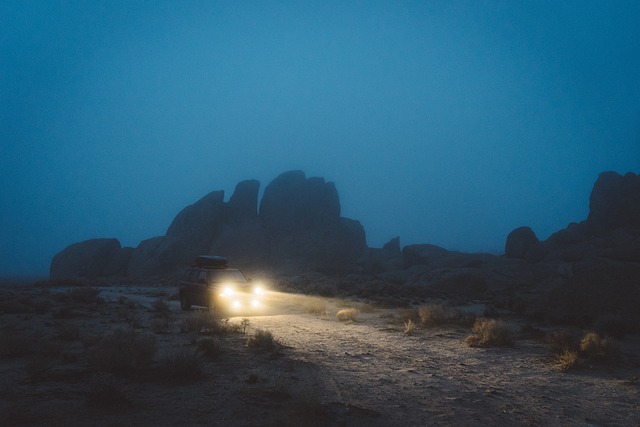
Better Navigation: Lights can cut through dense forests, dark caves, or foggy valleys, helping you stay on course during night drives.
-
Enhanced Safety: Well-lit areas reduce the risk of accidents, especially in unfamiliar territories where terrain changes abruptly.
-
Camping and Survival: For overnight adventures, off-road lights can illuminate camp sites, facilitate setting up gear, and aid in navigating back to civilization after dark.
Choosing the Right Off-Road Lighting for Your Vehicle:
Factors to Consider:
-
Vehicle Compatibility: Ensure the lighting system is designed to fit your vehicle’s mounting points and electrical requirements.
-
Lighting Output and Pattern: Select lights that provide sufficient brightness and an appropriate light distribution pattern for your intended use. Spotlights excel at long-range illumination, while floodlights offer broader coverage.
-
Power Source: Consider the power source, especially if you plan to off-road in remote areas without easy access to electricity. Battery-powered or solar-charged systems are popular choices.
-
Durability and Weather Resistance: Off-road lighting should withstand rugged conditions, including extreme temperatures, dust, and water exposure. Look for IP67 or higher waterproof ratings.
Popular Off-Road Lighting Systems:
-
Full-Size SUV/Truck Lighting Kits: These kits often include multiple lights, such as headlamps, driving lamps, fog lights, and tail lights, designed to replace stock fittings.
-
Universal Fit LED Lights: Versatile and affordable, these LEDs can be mounted in various locations and are suitable for a wide range of vehicles.
-
Customized Winch Lighting: For off-roaders with winches, dedicated winch lighting kits provide additional illumination during recovery operations.
Installation and Maintenance Tips:
Step-by-Step Guide to Installing Off-Road Lights:
-
Plan Your Mounting: Identify suitable mounting locations on your vehicle, ensuring lights are secure and won’t obstruct the driver’s view.
-
Wiring and Connections: Properly wire the lights according to the manufacturer’s instructions, ensuring they are connected to a reliable power source.
-
Adjustment and Aiming: Adjust the lights to focus the beam where needed, avoiding blinding other drivers.
-
Test and Secure: Test all lighting systems before hitting the trail. Ensure all connections are secure to prevent loose wires that could cause damage or hazards.
Maintenance Considerations:
-
Regular Cleaning: Keep lights clean to maintain optimal performance. Dust and grime can reduce light output and affect beam intensity.
-
Inspect Wiring: Periodically check wiring for signs of wear, fraying, or damage, especially on vehicles used in harsh environments.
-
Battery Care: If using battery-powered lighting, ensure proper charging and maintenance to maximize performance and prolong battery life.
Off-Road Lighting Safety Precautions:
-
Avoiding Blinding Others: Never shine lights directly at oncoming traffic or other vehicles to prevent blindness and potential accidents.
-
Local Regulations: Familiarize yourself with local laws regarding off-road lighting, especially when driving on public roads or near residential areas.
-
Weather Conditions: Be mindful of weather; heavy rain or fog can reduce visibility, making bright lights less effective. Consider dimmer settings or additional reflective gear.
Frequently Asked Questions (FAQs):
-
Q: How do I choose between LED and halogen lights?
A: LEDs offer superior durability, energy efficiency, and brightness while consuming less power. Halogen lights provide instant light but are less efficient and require more maintenance. Choose based on your budget, desired light output, and vehicle compatibility. -
Q: Can off-road lighting be used during the day?
A: While not always necessary during daylight hours, certain situations may benefit from additional lighting. Extreme terrain or low visibility conditions can make a difference with well-positioned spotlights for improved forward visibility. -
Q: How do I install lights on my vehicle without damaging it?
A: Professional installation is recommended for complex setups. For basic installations, follow the manufacturer’s instructions carefully. Ensure proper mounting to avoid damage to your vehicle’s body or paintwork. Consider consulting guides or seeking advice from experienced off-roaders or mechanics. -
Q: Are there lighting options suitable for all-terrain vehicles (ATVs)?
A: Absolutely! ATVs require lighting designed for smaller, more compact vehicles. LED lights and specialized kits tailored for ATVs are available, offering bright illumination while considering the unique demands of these machines. -
Q: How often should I replace off-road lighting components?
A: Regular maintenance is key to keeping your lighting systems in top condition. Check light output, wiring, and battery health regularly. Replace burnt-out bulbs or faulty components promptly for optimal performance and safety.
Conclusion:
Off-road lighting is an essential component of a well-equipped off-roader’s arsenal. With the right choice and installation, these powerful tools can transform your adventures from challenging to exhilarating. Off-Road Parts McAllen offers a comprehensive selection of lighting solutions, ensuring you’re prepared for any terrain. Whether tackling treacherous mountains, exploring dense forests, or simply enhancing your nightly camping trips, investing in quality off-road lights is a decision that will pay dividends in safety and enjoyment.
Remember, the right lighting can turn an ordinary trek into an extraordinary exploration, so get out there and conquer new paths with confidence!